
Prepaid eSIM Plans Explained for Global Travelers
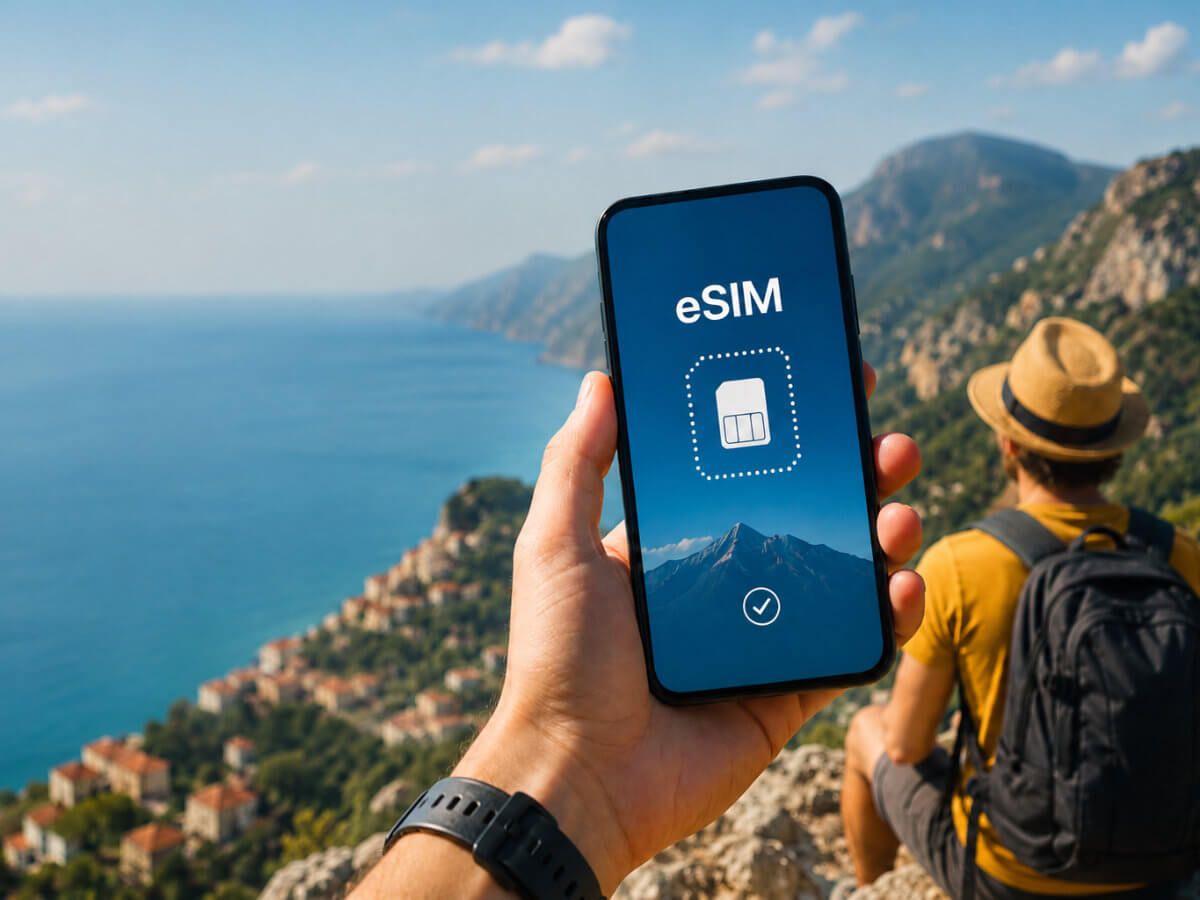
A prepaid eSIM is a digital SIM card that you purchase and activate online without needing a physical plastic card. It stores your mobile network profile securely on your device’s embedded chip, allowing instant connection by scanning a QR code or downloading an app. This eliminates the wait for shipping and lets you switch between carriers or plans on demand, making travel and temporary data access seamless.

What Makes a Prepaid eSIM Different from a Physical SIM
A prepaid eSIM differs from a physical SIM primarily because it is a digital profile embedded in the phone’s hardware, eliminating the need for a plastic card. For prepaid users, this means you can purchase, install, and activate a plan entirely online without waiting for a physical delivery. While a physical prepaid SIM requires swapping cards between devices, an eSIM allows you to instantly switch between multiple prepaid plans on a single device. However, transferring a prepaid eSIM to a new phone can be more restrictive than simply moving a physical SIM card. Additionally, prepaid eSIMs offer direct over-the-air provisioning, so you never need to handle a tiny card or risk losing it during travel.
How the Embedded Chip Changes Travel Connectivity
The embedded chip, a permanent part of the device, fundamentally alters travel connectivity by removing the need to physically swap SIMs. This allows a traveler to purchase and activate a prepaid eSIM via a QR code or app, meaning connectivity is established before departure or immediately upon arrival. Unlike a physical SIM, the embedded chip enables a user to keep their home number active for calls while maintaining a separate data line from the prepaid eSIM. This dual-SIM capability, powered by the chip, creates seamless roaming readiness without the risk of losing or damaging a tiny plastic card during transit.
Comparing Activation Steps: Plastic Card vs. Digital Profile
Activating a plastic SIM card requires physical insertion, often followed by a manual online registration or carrier call to pair the card’s ICCID with your account. In contrast, activating a prepaid eSIM from a digital profile is nearly instantaneous. You download a QR code or install the profile directly, which automatically links your device. No waiting for mail or swapping trays is needed, making eSIM provisioning far more immediate than physical card activation. The table below highlights the key procedural differences.
| Aspect | Plastic Card Activation | Digital Profile Activation |
|---|---|---|
| Acquisition | Purchase card, wait for delivery, insert into tray. | Download QR code or profile directly from provider app. |
| Setup Step | Often requires manual ICCID entry or carrier call to link. | Automatic link upon scanning code or installing profile. |
Why No Physical Swap Means Less Hassle at Borders
With a prepaid eSIM, there is no physical card to insert or remove, eliminating the need to fumble with SIM trays at borders. Travelers avoid the risk of losing their primary SIM or needing a tiny tool for swaps. Cross-border connectivity becomes instantaneous because users simply activate a new eSIM profile before arrival, skipping local store visits. This removes queue time and prevents incompatibility errors from physical card damage.

- No need to eject or store a fragile physical SIM during travel
- Instant profile activation means no searching for a local SIM vendor at customs
- Eliminates the hassle of swapping back to a home SIM when returning
Top Scenarios for Going with a Pay-As-You-Go Digital SIM
You land in Tokyo for a two-week solo trip, no local currency yet, and your pocket is burning to post a vlog from Shibuya. Instead of hunting for a plastic SIM at a konbini, you instantly scan a QR code for a prepaid eSIM and get connected. That is the prime scenario for a Pay-As-You-Go Digital SIM. Short, unpredictable travel is where it shines. A weekend Berlin conference, a sudden work detour to São Paulo, or a quick family visit to Manila—these bursts of connectivity demand zero commitment. You avoid long-term contracts and data waste, buying just a 1GB pack or a 7-day pass. The digital SIM lives on your phone, invisible, disposable the moment you board your flight home. No physical swap, no carrier lock-in, just pure, location-based flexibility.
Short-Term Travelers Who Need Instant Data on Arrival
For short-term travelers, a prepaid eSIM eliminates the frantic hunt for local SIMs the second you land. Instant connectivity upon touchdown is the key advantage, letting you call a ride-share or navigate straight from baggage claim. No queuing at airport kiosks or swapping cards while juggling luggage. You purchase and activate the eSIM before your flight, so data kicks in as the plane’s wheels hit the tarmac. Speed is critical when you only have a 48-hour city layover.
How quickly can I get data after buying a pay-as-you-go eSIM? Most eSIMs activate within seconds via a QR code or app scan—just connect to Wi-Fi at departure to install the profile, then data auto-starts on arrival in your destination.
Remote Workers Jumping Between Countries Every Month
For remote workers jumping between countries every month, a prepaid eSIM eliminates the need to purchase a local SIM at each new destination. This nomadic data strategy avoids physical SIM swaps and airport kiosk queues. Users simply add a new eSIM profile for their current country, preserving their primary number for banking and calls. Data packages can be purchased incrementally, ensuring coverage only for the exact days spent in a location without paying for unused monthly cycles.
- Buy a short-term data eSIM for a 10-day stay in Portugal, then delete it upon departure.
- Keep a global or regional eSIM active for emergency internet when crossing borders.
- Top up only the precise gigabyte amount needed for a week in a non-EU country.
Backup Connectivity for Emergencies Without Long Contracts
For emergency backup connectivity, a prepaid eSIM eliminates the need for annual contracts. You simply purchase a small data package before travel or during a network outage, activating it instantly with zero long-term commitment. This approach is ideal for unpredictable situations like natural disasters or unexpected trips, where you require immediate, temporary access without financial penalty. The logical advantage is cost control; you pay only when needed. Emergency prepaid eSIM activation remains dormant until triggered, ensuring a reliable lifeline without recurring fees. Q: How quickly can I establish backup connectivity without any contract? A: You can activate a prepaid eSIM in under two minutes, using only your phone and a Wi-Fi or existing cellular connection to download the profile, providing instant emergency data.
Key Features to Check Before Buying a No-Contract eSIM
When you’re hunting for a prepaid eSIM without a contract, first check the network coverage map for your exact destinations—a cheap plan is worthless if your hotel is a dead zone. Confirm data throttling thresholds because many “unlimited” prepaid eSIMs slow to a crawl after a few gigabytes, leaving you stranded with buffering maps. Pay close attention to whether the eSIM allows tethering, as some budget prepaid options silently block hotspot use for other devices. Finally, verify the activation window; you don’t want a prepaid eSIM that expires before your trip even starts.
Data Caps, Speed Throttling, and Fair Usage Policies
When picking a prepaid eSIM, always check for unlimited data with throttling because “unlimited” often isn’t. Many plans hit a data cap, then slash your speed to near useless levels. Fair Usage Policies (FUP) can kick in earlier than you think, especially on cheap plans. To avoid surprises, follow this sequence:
- Find the exact data cap where high-speed ends.
- Note the throttled speed (e.g., 128 kbps or 1 Mbps).
- Read the FUP—some restrict video or tethering after a smaller limit.
Always pick a plan where the throttle speed still works for maps and messaging.
Compatibility with Your Phone Model and Unlocked Status
Before you buy a prepaid eSIM, first check that your specific phone model actually supports eSIM technology—this isn’t universal, even on new devices. Your phone must also be carrier-unlocked for eSIM activation; a locked device will block any no-contract eSIM from activating, even if the phone is eSIM-compatible. To save hassle, confirm both through your phone’s settings (look under About Phone > eSIM or Carrier Lock) before purchasing. Below is a quick comparison to help you verify:
| Check | What to Look For | How to Verify |
| eSIM Support | Phone model listed as eSIM-compatible by manufacturer | Check Settings > Cellular or About Phone for “Add eSIM” option |
| Unlocked Status | No carrier lock preventing new eSIM activation | Try inserting a different SIM; if it works, phone is unlocked |
Length of Validity: 7 Days vs. 30 Days vs. Flexible Tiers
When evaluating a prepaid eSIM, the length of validity directly dictates travel flexibility. A 7-day plan suits a short layover or weekend trip, offering maximum cost-efficiency for minimal usage. A 30-day option balances duration and price for two-week vacations or moderate business travel. Flexible tiers, such as 15-day or 60-day increments, allow precise alignment with extended stays or irregular itineraries. Choosing a tier too short forces a top-up, while one too long wastes unused days. Unlike contracts, these plans have a hard expiry; unused data is forfeited after the validity window closes. For maximum utility, map your exact trip length to the available tier rather than overcommitting to a longer period.
| Validity | Best Use Case | Risk |
|---|---|---|
| 7 Days | Quick city hops, 1–3 day visits | Covers no extension if schedule changes |
| 30 Days | Standard two-week vacations | May expire before multi-month travels |
| Flexible Tiers | Erratic or prolonged trips (e.g., 15, 60 days) | Requires pre-planning tier alignment |
How to Set Up a Digital Prepaid Profile Without a Store Visit
You step off the plane, pull out your phone, and immediately open the carrier’s app instead of hunting for a kiosk. To set up your prepaid eSIM profile digitally, first choose a plan and complete the purchase inside the app or website using a credit card or digital wallet. Seconds later, you receive a QR code or a manual activation link—no physical SIM or store visit needed. Open your phone’s settings, tap “Add Cellular Plan,” and scan that code or paste the details. The profile installs instantly, assigning you a local number and data allotment. You verify your identity with just a photo of your passport in the same app, bypassing any retail counter. Within minutes, your device registers on the local network and you’re using maps or messaging. That initial ping of connectivity feels like unlocking a foreign city without ever touching a storefront.
Scanning a QR Code or Using a Carrier App for Installation
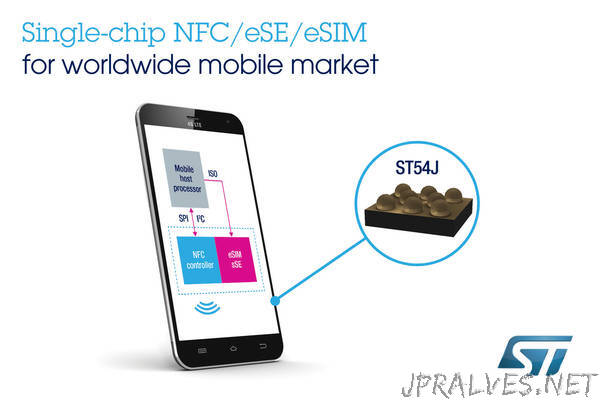
To install a prepaid eSIM without visiting a store, you typically use either a QR code activation method or a dedicated carrier app. Scanning a QR code, provided via email or purchase receipt, triggers a direct download of the eSIM profile into your device’s settings. Alternatively, a carrier app automates the process: after verifying your purchase and device compatibility, it pushes the eSIM configuration files over Wi-Fi or cellular data, often requiring only a confirmation tap. Both methods bypass physical SIM handling, though QR codes may suit one-time setups while carrier apps simplify future profile management.
Managing Multiple Lines: Keeping Your Home Number Active
To keep your home number active while using a prepaid eSIM for a new line, leverage your phone’s Dual SIM or eSIM+physical SIM capabilities. Activate the prepaid eSIM for primary data and calls, then configure your original home number’s carrier profile to a basic legacy plan. This retains the line for SMS verification codes and inbound calls while avoiding monthly service fees. Ensure the home number’s plan supports number parking or minimal prepaid top-ups. Check that both profiles are stored locally; disable data roaming on the home line to prevent accidental charges. Some carriers require periodic activity—send a free text or dial a shortcode every 90 days to preserve the number.
Troubleshooting Common Activation Errors on iOS and Android
When activating a prepaid eSIM, iOS users often hit a “Cellular Plan Not Found” error, which typically resolves by toggling Airplane Mode or re-scanning the QR code in Settings > Cellular. On Android, the infamous “SIM Card Not Detected” message usually requires verifying the APN settings under prepaid eSIM activation troubleshooting and ensuring the profile is manually added via the carrier app. If the eSIM still shows “No Service,” confirm the device isn’t locked to a previous network, then reboot. A quick cross-check between iOS and Android pitfalls clarifies the fix.
| Error | iOS Fix | Android Fix |
|---|---|---|
| Plan Not Found | Toggle Airplane Mode, re-scan QR | Clear carrier services cache |
| No Service | Reset network settings | Check APN and reboot |
| Activation Pending | Force close Settings app | Manually add profile |
Cost Comparison: Traditional Roaming vs. On-Demand eSIM Plans
When you compare a traditional roaming plan from your carrier against an on-demand prepaid eSIM, the savings are immediate. Classic roaming often hits you with a flat daily fee—sometimes $10 or more—just to turn on data, plus per-MB charges that add up fast. In contrast, a prepaid eSIM lets you buy a specific data bundle, like 5GB for $15, with zero daily activation fees. No surprise overages, no “bill shock” when you return. With traditional roaming, you pay for full days even if you use just one map check; the eSIM plan charges for actual data used within its validity period. For a short trip, one prepaid eSIM packet easily undercuts a multi-day roaming pass, giving you control over exact spending.
Flat Rates That Eliminate Surprise Charges Abroad
A prepaid eSIM with flat rates eradicates the uncertainty of foreign data costs. Instead of unpredictable per-megabyte roaming fees or daily surcharges, you pay one fixed price for a set data allowance, valid for a specific region or duration. This eliminates bill shock from background app refreshes or accidental streaming, as the total cost is known before activation. Providers offer these plans per country or continent, ensuring you never face opaque charges for exceeding a daily cap. The transparency allows you to budget precisely, making flat-rate eSIM data abroad the most reliable method for avoiding surprise fees.
Flat rates for prepaid eSIMs eliminate surprise charges by offering a single, upfront price for a defined data allowance, removing all variable costs from international connectivity.
Regional Bundles for Europe, Asia, or the Americas
Regional bundles for Europe, Asia, or the Americas let you grab a single prepaid eSIM that covers multiple countries in one go, so you skip the hassle of buying separate plans for each stop. A Europe bundle might include 10GB for 30 days, working across France, Italy, and Spain without extra fees. For Asia, a 5GB plan could cover Japan, South Korea, and Thailand, while an Americas bundle often stretches from the US to Brazil. These are ideal for multi-city trips, as you pay once and roam freely across borders.
- Europe bundles often include 30-day validity with shared data across Schengen countries.
- Asia regional plans frequently cover a mix like Singapore, Malaysia, and Indonesia in one package.
- Americas bundles typically link North and South America, avoiding per-country top-ups.
Hidden Fees in Postpaid Plans That Prepaid Options Avoid
Traditional postpaid roaming plans often conceal unexpected bill shock from activation fees, daily connection charges, and per-megabyte overage rates that aren’t transparent upfront. A prepaid eSIM eliminates this by locking your total cost at purchase—no hidden surcharges for data used just beyond your allowance or automatic renewals without warning.
- Postpaid plans frequently add a “system access fee” or “regulatory recovery fee” that isn’t part of the advertised rate.
- Prepaid eSIMs never charge for incoming calls or texts, while postpaid can bill per minute or per message when roaming.
- In postpaid, unused data may roll over at a penalty cost; with prepaid, you simply don’t pay for what you don’t use.
Security and Privacy Considerations for Temporary Digital Lines
Prepaid eSIMs create a temporary digital line that inherently limits long-term data exposure, but users must actively verify the provider’s privacy policy on data retention. Activate the line only when needed and delete the eSIM profile immediately after use to prevent residual carrier tracking. Use a dedicated, throwaway email for registration to avoid linking the temporary number to your primary identity. Some providers still log metadata like connection timestamps even after the plan expires, so a factory reset of the device’s eSIM slot is the only sure wipe.
Why Your Personal Data Stays Safer With a Disposable eSIM
A disposable eSIM severs the link between your physical device identity and your network activity. Because this temporary profile exists solely for short-term data use, it prevents carriers from building a long-term behavioral history tied to your real number or IMEI. When you delete the eSIM profile, all cached registration data—which typically includes location logs and connection timestamps—vanishes with it. This makes it impossible for third parties to retroactively trace your sessions back to your permanent identity. Your personal data stays safer because the disposable eSIM creates a clean digital break after every use, unlike a physical SIM which leaves lingering metadata with the carrier.
What Happens When the Plan Expires: Auto-Deletion of Profiles

When a prepaid eSIM plan expires without renewal, the carrier typically initiates a grace period before triggering auto-deletion of profiles. During this window, the eSIM profile remains dormant on the device, but network access is suspended. After the grace period ends—often 30 to 90 days—the profile is irreversibly purged from the carrier’s provisioning system and the user’s device. This deletion frees the eSIM slot, allowing installation of a new profile. However, any data or settings linked to that eSIM are lost permanently, as no local backup exists. Users must reinstall the eSIM from scratch upon reactivation, receiving a fresh QR code or download link from the provider.
Risk of Overuse Alerts and Network Lock-In Warnings
Prepaid eSIM users face two practical risks tied to usage boundaries. Risk of overuse alerts often trigger automatic top-ups or data throttling, which might be managed through provider dashboards but can be ambiguous with multi-network eSIMs. Network lock-in warnings arise when a primary carrier restricts switching to alternative local networks mid-plan, despite advertised flexibility. This creates a scenario where alerts for exceeding a plan’s data tier lock you into a slower connection on that network, rather than allowing seamless roaming to a competitor. The logical gap between notification and actual network freedom remains a core user friction.
Q: How can I prevent being charged after a risk of overuse alert on a prepaid eSIM? A: Set strict data caps in your device settings and disable automatic top-up features in the eSIM app; alerts alone rarely prevent billing unless you preauthorize zero additional spend.
Best Practices for Switching Between Providers Without Losing Coverage
When switching prepaid eSIM providers, keep your current plan active until your new eSIM’s data activates to avoid a coverage gap. Install the new eSIM profile before you delete the old one, and toggle between them in your phone’s settings. Always test the new provider’s signal in your usual spots before deactivating the old one. For example, if you travel often, activate the new eSIM in the destination country first, then switch only after you confirm a stable connection. Q: How do I test multiple eSIMs at once? A: Keep your primary line on, turn off the old eSIM’s data, and enable the new one—if it works, you’re safe to remove the old profile.
Storing Multiple eSIM Profiles for Different Destinations
Storing multiple eSIM profiles for different destinations on a single device ensures seamless coverage switching without physical card swaps. Before traveling, download each prepaid eSIM profile to your device’s storage while connected to Wi-Fi, labeling them by region or carrier for clarity. When arriving at a new destination, activate the corresponding profile solely through your phone’s settings menu, keeping others deactivated to avoid conflicts. For smooth transitions, follow a clear sequence: preload profiles before departure, then
- disable the current active profile in cellular settings,
- enable the targeted destination’s profile,
- confirm the new network appears in the status bar.
This method prevents service gaps by relying on pre-stored credentials rather than real-time downloads.
Prioritizing Primary vs. Secondary Data Lines in Settings
When juggling a primary physical SIM and a secondary prepaid eSIM, your device settings dictate which line handles data. Navigate to your cellular menu and explicitly set your secondary eSIM as the default data line to ensure all apps and background services route through the new provider. Keep the primary line active for calls and SMS only, preventing accidental data drains that could eat your expensive domestic plan. For seamless failover, enable “Allow Cellular Data Switching” so your primary line automatically takes over if the secondary eSIM’s signal drops—this locks in coverage continuity without manual toggling whenever you switch providers.
Retaining a Backup Digital Plan While Traveling in Remote Zones
When venturing into remote zones, retaining a backup digital plan via a prepaid eSIM is your safety net against total disconnection. Unlike physical SIMs, you can keep a secondary eSIM dormant on your device, instantly activated if your primary carrier loses signal. This ensures you’re never stranded without navigation or emergency contact. Prioritize remote zone eSIM readiness by choosing a provider with broad, low-frequency band coverage for deep rural penetration.
- Store two separate eSIM profiles (e.g., a regional Singapore eSIM primary and a global backup) to switch between providers without physical swaps.
- Activate only one plan at a time to maintain signal scanning; toggle the backup eSIM on only when primary fails.
- Download offline maps and essential toolkits before entering dead zones, ensuring the backup eSIM is for data-only redundancy.
- Test your backup eSIM’s connectivity at the fringe of a remote area to confirm roaming partnerships function in that specific zone.
What Exactly Is a Prepaid eSIM and How Does It Work
Breaking Down the Difference Between a Physical SIM and an Embedded SIM
How Activation Happens Without a Plastic Card
Understanding the Prepaid Component: Pay Before You Use
Key Features That Make a Prepaid eSIM Different from Postpaid Plans
No Contracts, No Credit Checks, and No Commitments
Flexible Data, Talk, and Text Allowances You Control
Top-Up and Refill Options Without Changing Your Number
Practical Benefits of Choosing a Prepaid Embedded SIM for Travel and Daily Use
Instant Connectivity When Arriving in a New Country
Keeping Your Primary Number Active While Using a Local Plan
No Roaming Surprises: Fixed Costs and Transparent Pricing
How to Select the Right Prepaid eSIM Plan for Your Needs
Matching Coverage and Network Speed to Your Destination or Region
Evaluating Data Volumes: Light Browsing vs. Heavy Streaming